Fontainebleau And Vaux Le Vicomte Tour
Palace Guide

What Is Fontainebleau in France

Fontainebleau is a UNESCO World Heritage royal palace located in the town of Fontainebleau, 55 kilometers southeast of Paris. Unlike Versailles, which served primarily the Sun King, this château hosted every French monarch from the 12th century to Napoleon III. The palace complex covers 130 acres and contains over 1,500 rooms across five distinct architectural periods.

11 min read Updated 2026-08-31 Fact-checked
What Is Fontainebleau in France

Quick answer

Fontainebleau is a royal château in the Île-de-France region that served as a residence and hunting lodge for French sovereigns from the medieval period through the Second Empire. The palace is renowned for preserving the private apartments of Napoleon I, the Renaissance galleries commissioned by Francis I, and the Galerie François Ier decorated by Italian masters. Located in the town of Fontainebleau at Place Charles de Gaulle, the estate combines palatial architecture with 130 acres of formal gardens and the surrounding Forest of Fontainebleau.

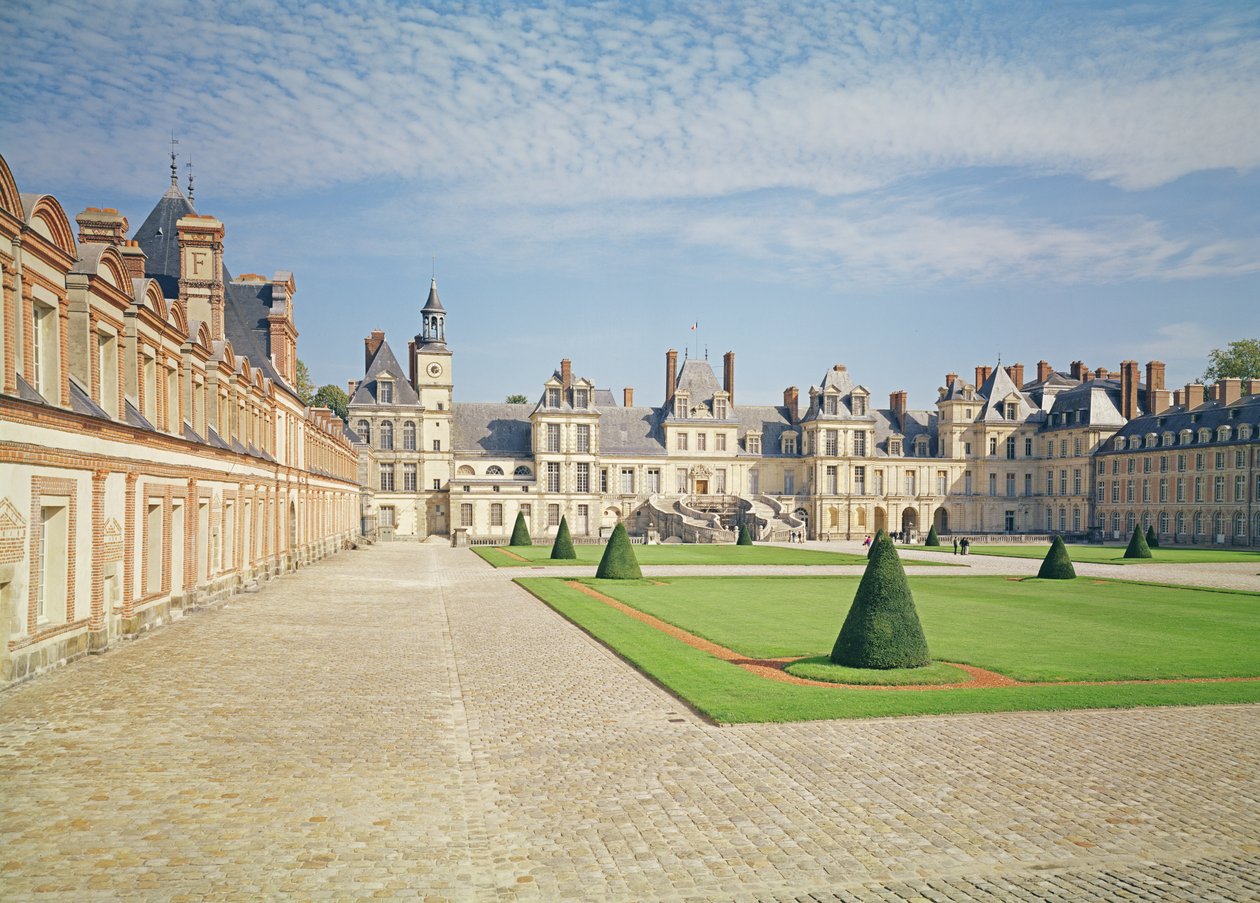
Napoleon Bonaparte signed his first abdication in the palace's White Horse Courtyard in 1814, descending the iconic horseshoe staircase before exile to Elba. That moment captures what distinguishes the Fontainebleau palace from other French royal residences: it witnessed the intimate, unguarded moments of power across eight centuries. What is Fontainebleau in France becomes clear when you understand its role as the working retreat of French monarchy. Where Versailles was built for spectacle and diplomatic theater, this château functioned as the private sphere where kings hunted, emperors planned campaigns, and queens raised heirs. Francis I transformed a medieval hunting lodge into a Renaissance showpiece in the 1520s, importing Italian artists who introduced Mannerist decoration to France. The Galerie François Ier became the template for European palace galleries. Henri II, Henri IV, Louis XIII, Louis XV, and Louis XVI each added wings and redecorated suites. Napoleon I chose Fontainebleau over Versailles for his imperial court, installing his throne room in the former king's bedchamber and preserving his private apartments exactly as he left them in 1814. The château's forest setting shaped its character. Surrounded by 63,000 acres of oak and beech woodland, the estate served as France's premier hunting ground. Monarchs kept apartments here specifically to pursue boar and deer, and the town of Fontainebleau developed as a service community for the royal household. The forest remains public land today, crisscrossed by sandstone boulders that attract rock climbers from across Europe. Visitors entering the Cour d'Honneur pass through the same golden gates that admitted royal carriages. The self-guided route through the Grands Appartements moves chronologically through French history, from Francis I's Renaissance chambers to Napoleon's Empire-style private suite. The palace does not recreate Versailles' crowd densities because it draws a more specialized audience: those interested in the French royal château where kings actually lived rather than where they performed. The town of Fontainebleau, with its 15,000 residents and market squares, provides context that isolated Versailles lacks. Understanding what is Fontainebleau in France requires recognizing it as the continuous residence of French sovereignty across regime changes that destroyed other palaces. The Revolution spared it, Napoleon adopted it, and the Third Republic opened it to the public in 1870. It remains less visited than Versailles, which preserves its utility for visitors seeking primary historical spaces without interpretation overwhelmed by tourism infrastructure.

“Napoleon signed his abdication in the White Horse Courtyard, descending the horseshoe staircase before exile to Elba.”
Opening hours

What Is Fontainebleau in France: Opening Hours

The Château de Fontainebleau welcomes visitors throughout the week, with the exception of Tuesdays when the estate is closed to the public.

Monday
09:30–18:00
Tuesday
Closed
Wednesday
09:30–18:00
Thursday
09:30–18:00
Friday
09:30–18:00
Saturday
09:30–18:00
Sunday
09:30–18:00
Visitors are advised that the last admission to the palace is typically one hour before the official closing time.
Prices

What Is Fontainebleau in France: Entrance Fees

The Château de Fontainebleau charges a standard entrance fee for visitors wishing to explore the site independently. This cost provides access to the Grands Appartements and the Napoleon I Museum.

Full price Self-guided tour access
17 EUR
Children under 18 Valid with proof of age
Free
EU residents under 26 Valid with proof of age
Free
Admission is free for all visitors on the first Sunday of every month, except during July and August.

Verdict: A typical adult pays 17 EUR for a standard entry, though certain age groups and residency statuses may qualify for free admission.

Timing

When to Visit: What Is Fontainebleau in France at Its Best

The best arrival window for visiting the Château de Fontainebleau is between 09:30 and 11:00. Arriving early helps avoid larger afternoon crowds and allows sufficient time for the visit.

Weekday mornings

Minimal

Quiet periods allow for a more measured pace through the gallery and state rooms.

Spring (April–May)

Moderate

Mild temperatures 12°C–20°C

Gardens are in bloom and visitor numbers remain lower than the summer peak.

Autumn (September–October)

Moderate

Cooler temperatures 10°C–18°C

The fall foliage enhances the grounds, providing a calmer atmosphere for exploration.

Summer (July–August)

High

Warm temperatures 17°C–26°C

Visitor density is highest; planning for the earliest arrival window is essential.

Verdict: The best time to visit is midweek between 09:30 and 11:00 during the shoulder months of April or October.

Directions

How to Get to What Is Fontainebleau in France

The Château de Fontainebleau is located at Place Charles de Gaulle, 77300 Fontainebleau, France. It is most accessible via train from central Paris followed by a short bus ride.

Train 40 min

Transilien Line R from Paris Gare de Lyon to Fontainebleau-Avon station

Bus 10 min

Line 1 (direction Les Lilas) from Fontainebleau-Avon station to Château stop

Car 60 min

A6 motorway south from Paris, exit Fontainebleau

Arriving between 09:30 and 11:00 helps avoid larger afternoon crowds and allows sufficient time for the visit.

What to see

Exploring What Is Fontainebleau in France: Key Sights

The Château de Fontainebleau features a complex interior layout reflecting centuries of royal residence and artistic evolution. Visitors can explore various galleries, chambers, and chapels that showcase the shift from Renaissance to Empire styles.

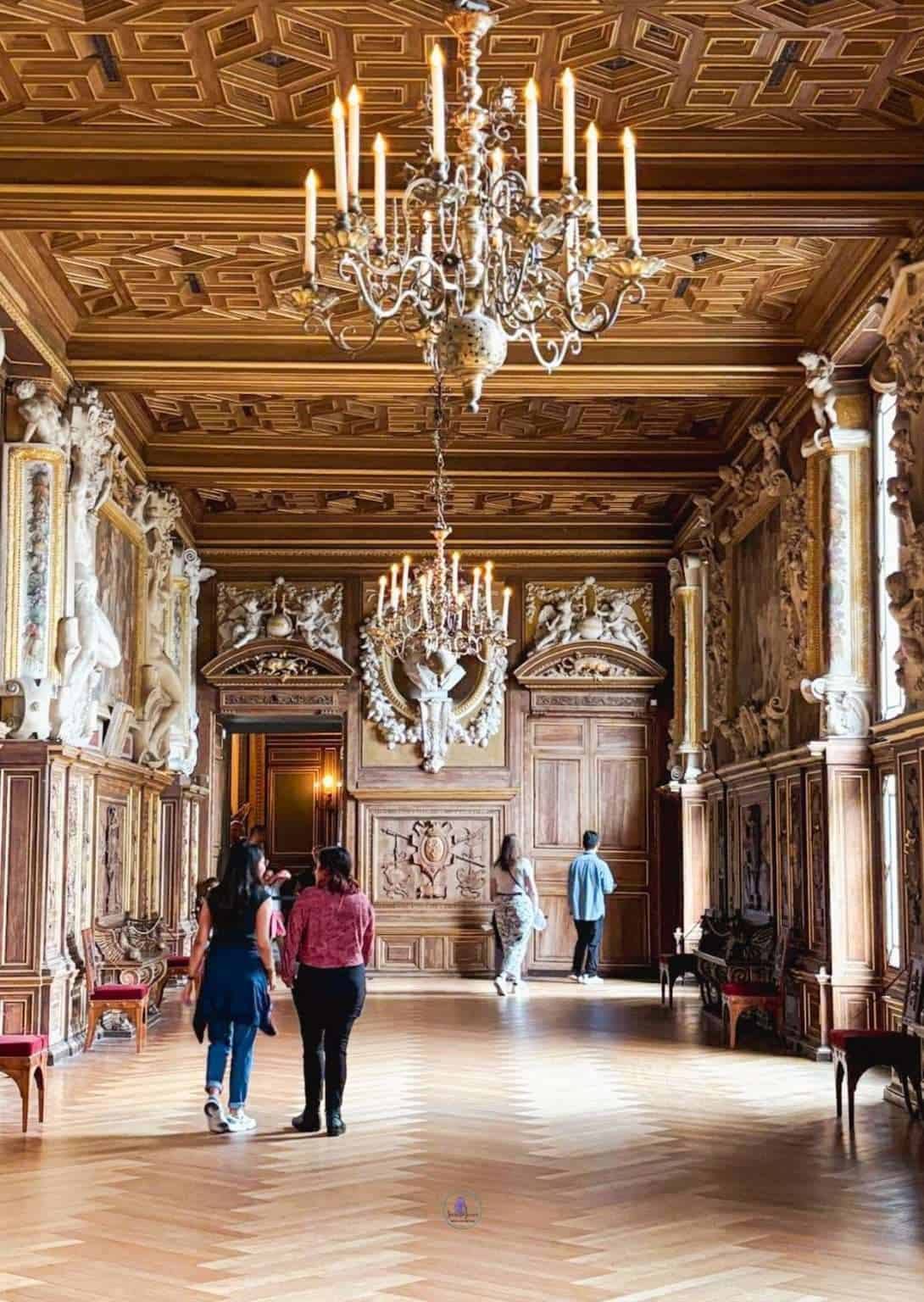
Francis I Gallery

Francis I Gallery

This gallery is a prominent example of Renaissance art, featuring frescoes and stucco work commissioned by King Francis I. It served as a model for royal ornamentation in France.

Focus on the salamander motifs carved into the decorative woodwork.
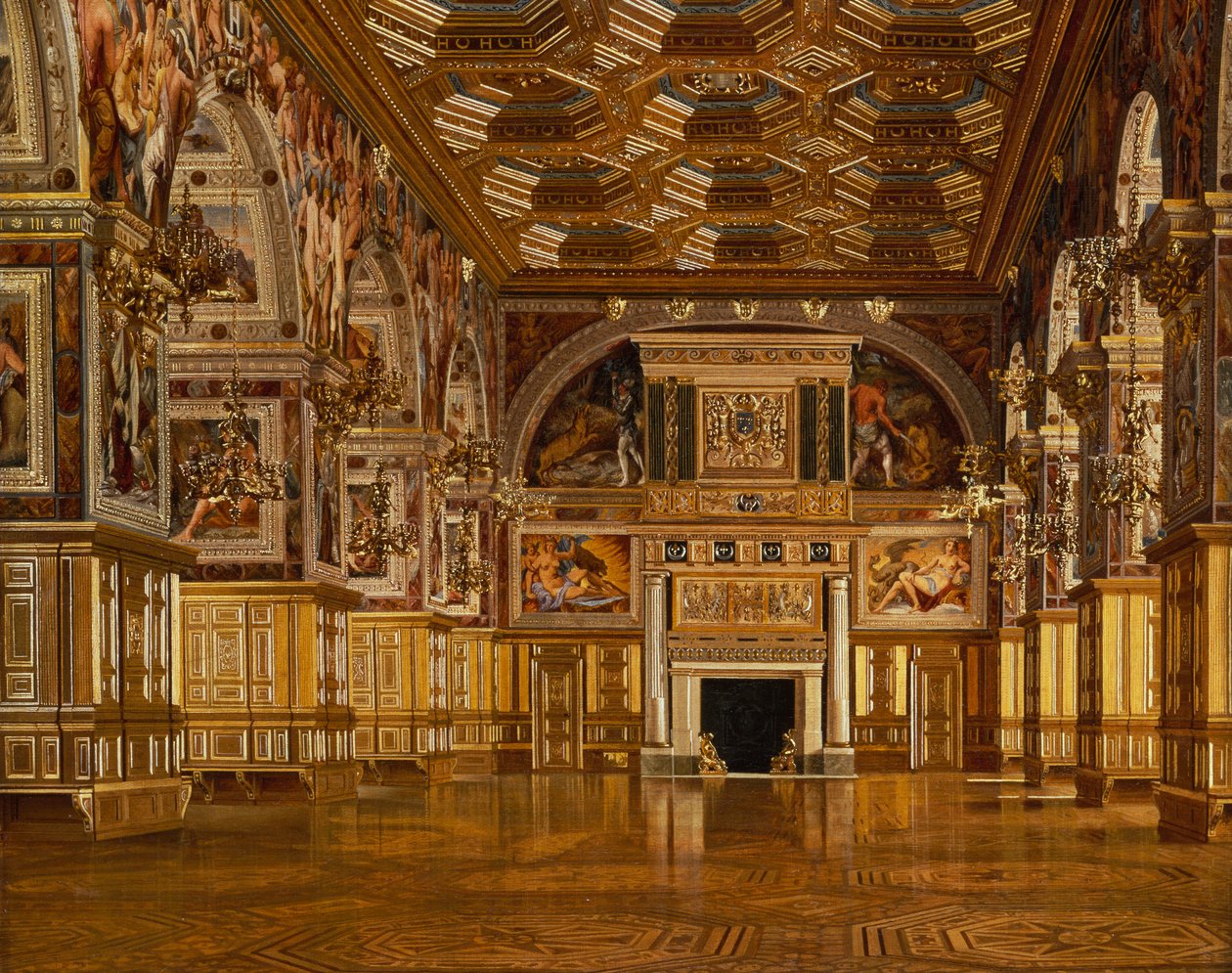
Ballroom

Ballroom

Formerly the guard room, this expansive hall is noted for its ornate coffered ceiling and large windows overlooking the gardens. The room was repurposed by Henry II to host royal festivities.

View the intricate wooden floor patterns from the room center.

Napoleon I Museum

Napoleon I Museum

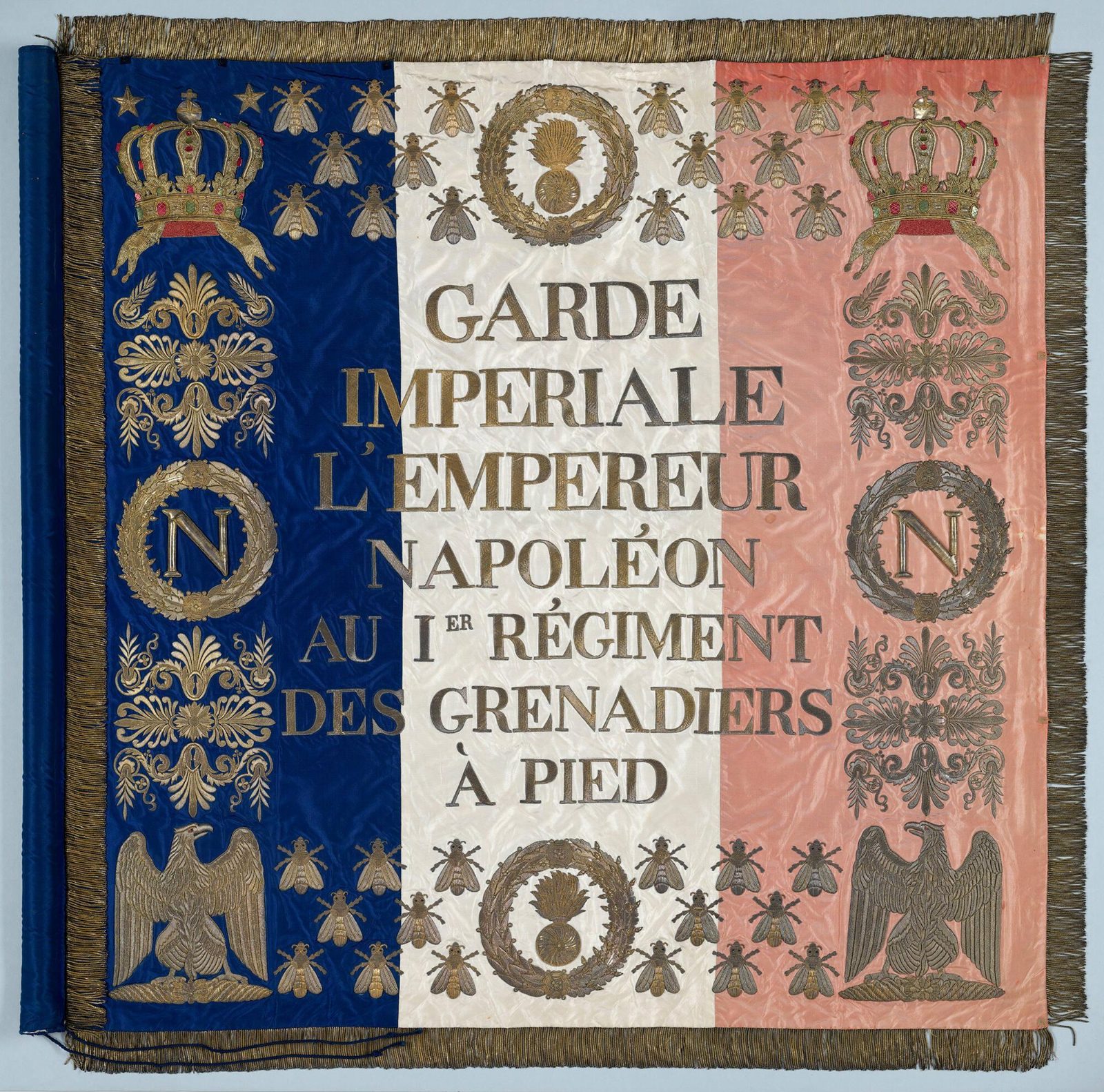
Located within the palace, this museum displays personal artifacts, uniforms, and decorations belonging to the emperor. It provides insight into the daily life and reign of Napoleon Bonaparte at the estate.

Look closely at the ceremonial imperial costumes on display.

Trinity Chapel

Trinity Chapel

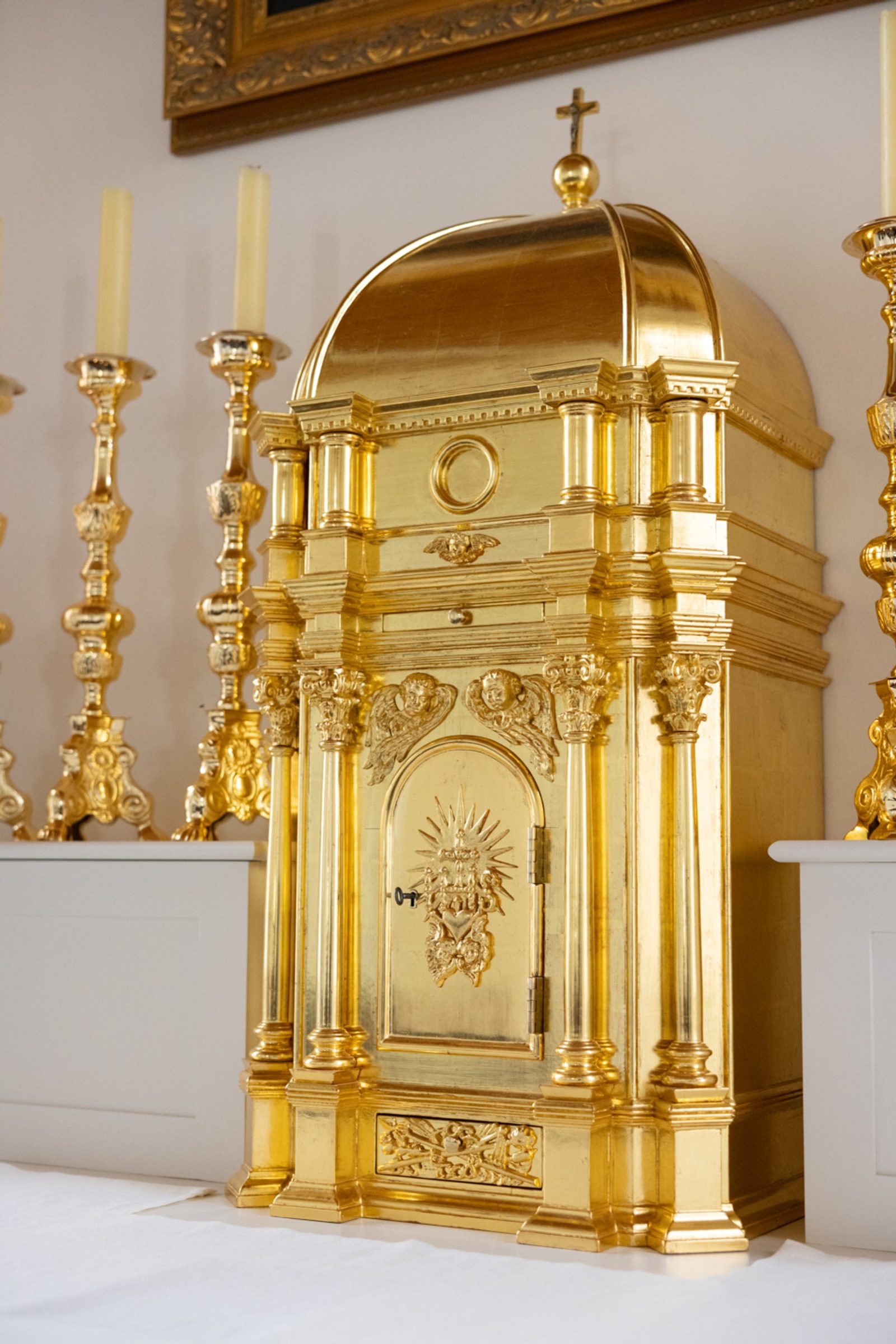
Designed under Henry IV, this chapel features elaborate religious paintings and gold-leafed wood carvings. It remains a key site for understanding the palace's religious functions during the 17th century.

Look up at the painted vaulted ceiling for detailed compositions.

Grands Appartements

Grands Appartements

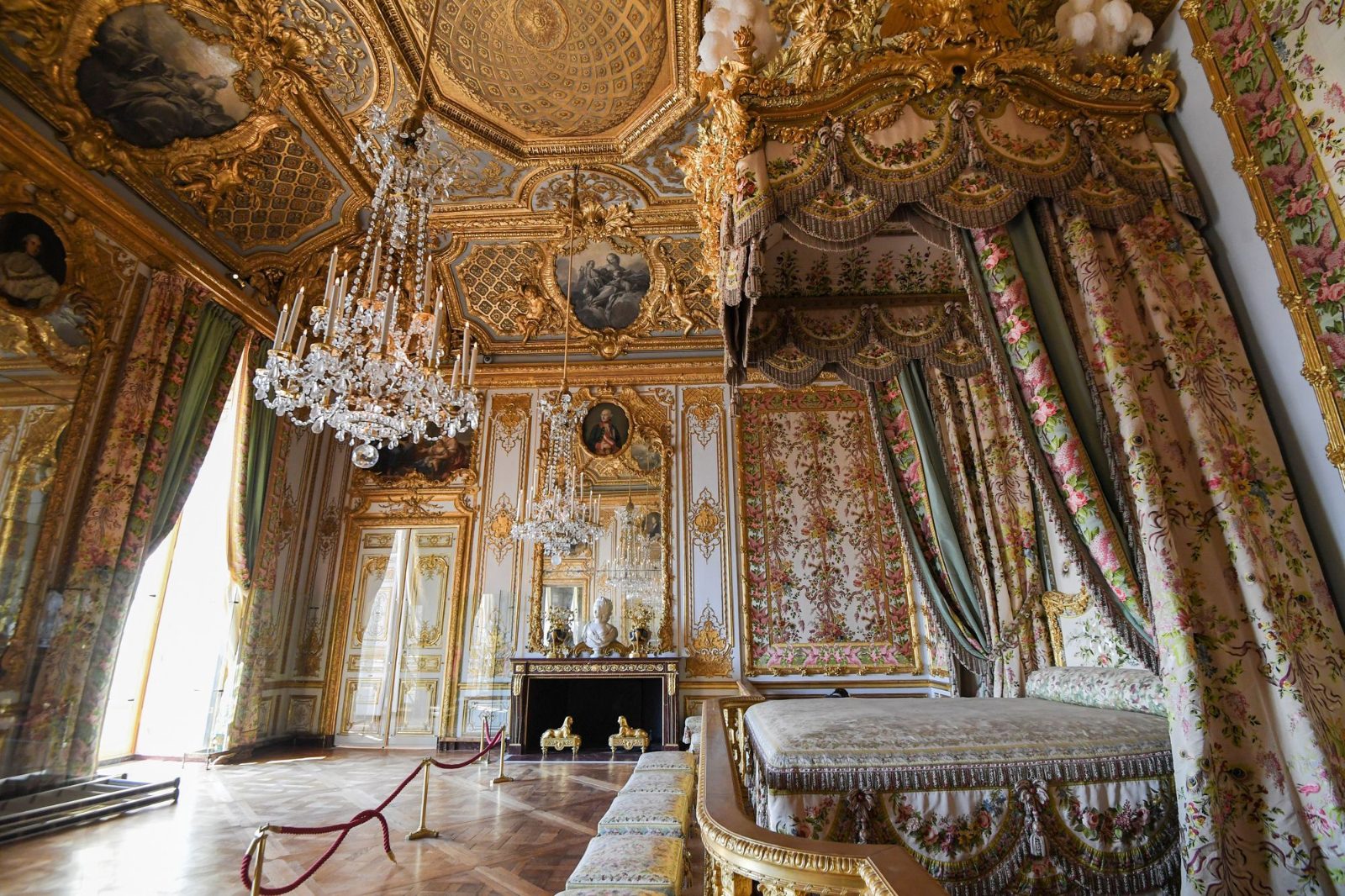
These rooms served as the private living spaces for French monarchs, including Louis XIV and Napoleon I. The décor changes in each room highlight the diverse tastes of successive sovereigns.

Observe the transition in furniture styles between consecutive rooms.

History

The Historical Context of What Is Fontainebleau in France

Understanding what is Fontainebleau in France begins with a twelfth-century hunting lodge built by Louis VII around 1137. The site's name derives from the spring Fontaine Belle-Eau, though the modest medieval structure bore little resemblance to the palace that would emerge. François I transformed Fontainebleau into a Renaissance masterpiece starting in 1528, importing Italian artists including Rosso Fiorentino and Francesco Primaticcio to create the Galerie François I. This royal commission established the First School of Fontainebleau, a decorative arts movement that defined French Renaissance style. Henri II continued the work after 1547, adding the Salle de Bal with its coffered ceiling and mythological frescoes. Henri IV expanded the complex between 1594 and 1609, constructing the Cour des Offices and the Jeu de Paume gallery. The palace became a laboratory for French art, blending Italian mannerism with northern European traditions. Louis XIV shifted royal attention to Versailles after 1682, yet Fontainebleau remained a favored retreat. Louis XV commissioned Ange-Jacques Gabriel to redesign the grand staircase in 1749, while Louis XVI refurbished Marie-Antoinette's apartments with neoclassical interiors. Napoleon Bonaparte revived the château de Fontainebleau as an imperial residence in 1804, signing his first abdication in the Cour du Cheval Blanc on April 6, 1814. He renovated the Petits Appartements and installed his throne room, preserving the papal apartments created for Pius VII during his 1812–1814 captivity. Napoleon III added the Théâtre Impérial in 1857, one of France's best-preserved Second Empire performance spaces. The palace opened as a national museum in 1927. Visitors today walk through 1,500 rooms spanning eight centuries. The Galerie François I retains its original walnut paneling and stucco work. Napoleon's abdication staircase still overlooks the White Horse Courtyard. The Renaissance ballroom frescoes have survived five monarchies and two empires, making Fontainebleau a continuous record of French sovereignty.

1137

Louis VII establishes a hunting lodge at the site of the Fontaine Belle-Eau spring.

1528

François I begins transforming the medieval château into a Renaissance palace, importing Italian masters Rosso Fiorentino and Primaticcio.

1594–1609

Henri IV doubles the palace size, adding the Cour des Offices and establishing Fontainebleau as a center of French court life.

1749

Louis XV commissions Ange-Jacques Gabriel to redesign the grand staircase and refresh royal apartments.

1804

Napoleon I designates Fontainebleau as an imperial residence and renovates the Petits Appartements.

1814

Napoleon signs his first abdication in the Cour du Cheval Blanc on April 6.

1857

Napoleon III constructs the Théâtre Impérial, one of France's finest Second Empire theaters.

1927

The palace opens to the public as a national museum, preserving eight centuries of royal and imperial history.

Book

Check availability

Frequently asked

Frequently Asked Questions About the Château de Fontainebleau

Everything you need to know about what is fontainebleau in france

What is fontainebleau in france?

When asking what is fontainebleau in france, one refers to the historic royal residence located southeast of Paris. It served as a primary home for French monarchs for centuries, offering insight into the evolution of French architectural styles. This significant Fontainebleau landmark remains a vital piece of the nation's heritage.

How much does it cost to visit the royal palace?

The entrance fee is 17 EUR for a full-price self-guided tour of the Grands Appartements and Napoleon I Museum. This standard entry provides access to the primary historical sections of the château. Visitors may choose to book additional services through our partner channels.

What are the opening hours for this French landmark?

The palace is open from 09:30 to 18:00 every day except Tuesday. Please note these hours when planning your visit to this famous French residence. It remains closed only on Tuesdays to allow for maintenance and preservation work.

When is the best time to arrive at this UNESCO heritage site?

The best arrival window is 09:30 to 11:00 to avoid larger afternoon crowds. Arriving early ensures you have sufficient time to explore the vast collections and royal grounds comfortably. This strategy is recommended for all guests visiting the location.

How do I get to this historic Fontainebleau attraction?

To reach this historic monument located at Place Charles de Gaulle, 77300 Fontainebleau, travelers typically use rail or road connections from Paris. Many visitors find that an organized Fontainebleau and Vaux le Vicomte tour simplifies the logistics of traveling between these major estates. The official site provides further details on regional transport accessibility.

Is a guided tour required for the Grands Appartements?

No, a guided tour is not mandatory, as the 17 EUR entry fee covers a self-guided tour of the Grands Appartements and Napoleon I Museum. However, some guests prefer the context provided by an expert guide when exploring this massive estate. You can browse our booking options to find an experience that fits your preference.

What is the best way to plan my Fontainebleau and Vaux le Vicomte tour?

To experience both locations efficiently, consider booking a combined excursion that covers the transport and entry logistics. Understanding what is fontainebleau in france before you arrive will enrich your experience of the opulent courtyards and galleries. Planning your itinerary around these two royal landmarks allows for a seamless day of discovery.

Keep reading

More guides & pages